Stainless steel is a versatile material widely used in precision CNC machining due to its corrosion resistance, strength, and durability. However, the mechanical properties of stainless steel can be significantly enhanced through proper heat treatment. This article explores the heat treatment processes for different types of stainless steel, focusing on martensitic stainless steel and austenitic stainless steel, and provides best practices for achieving optimal results in CNC machining applications.
Understanding Stainless Steel Heat Treatment
Heat treatment involves heating and cooling metals to alter their physical and mechanical properties without changing the shape. For stainless steel, the process is tailored to its microstructure, which determines how the material responds to thermal cycles. The three main categories of stainless steel—martensitic, austenitic, and ferritic—each require distinct heat treatment approaches.
Heat Treatment of Martensitic Stainless Steel
Martensitic stainless steel is known for its high strength and hardness, achieved through heat treatment. The typical process includes:
- Annealing: Heating to 840–900°C, followed by slow cooling to soften the steel for machining.
- Hardening: Heating to 980–1050°C and quenching in oil or air to form martensite.
- Tempering: Reheating to 150–400°C to relieve stresses and adjust hardness.
This treatment makes martensitic stainless steel ideal for components requiring wear resistance, such as blades and valves. At Mossuun’s CNC milling facility, we carefully control these parameters to ensure consistency in machined parts.
Heat Treatment of Austenitic Stainless Steel
Austenitic stainless steel (e.g., 304, 316) cannot be hardened by heat treatment due to its stable austenite structure. Instead, heat treatment is used for:
- Solution annealing: Heating to 1010–1120°C, followed by rapid quenching to dissolve carbides and improve corrosion resistance.
- Stress relieving: Heating to 400–900°C to reduce residual stresses from machining.
While austenitic stainless steel is commonly used in CNC turning for its excellent formability, proper heat treatment ensures dimensional stability and resistance to intergranular corrosion.
Key Heat Treatment Processes for CNC Machining
In precision CNC machining, heat treatment is often performed before or after machining. Here are the key processes:
Annealing
Annealing softens stainless steel to improve machinability and relieve internal stresses. For martensitic grades, it involves slow cooling; for austenitic grades, rapid cooling after solution annealing.
Hardening and Tempering
Only applicable to martensitic and precipitation-hardening stainless steels, this process increases strength and wear resistance. Tempering follows hardening to achieve the desired toughness.
Stress Relieving
This low-temperature treatment is crucial for both martensitic and austenitic steels after machining to prevent distortion. Typical temperatures range from 200–400°C for austenitic grades.
Best Practices for Heat Treating Stainless Steel
To achieve consistent results in CNC machining, follow these guidelines:
- Control atmosphere: Use inert gases or vacuum furnaces to prevent oxidation and scaling.
- Monitor temperature: Precise temperature control is critical, especially for martensitic stainless steel, to avoid cracking.
- Consider geometry: Complex parts may require slower heating/cooling rates to minimize distortion.
- Post-treatment inspection: Check hardness, microstructure, and corrosion resistance after heat treatment.
Applications in Precision Machining
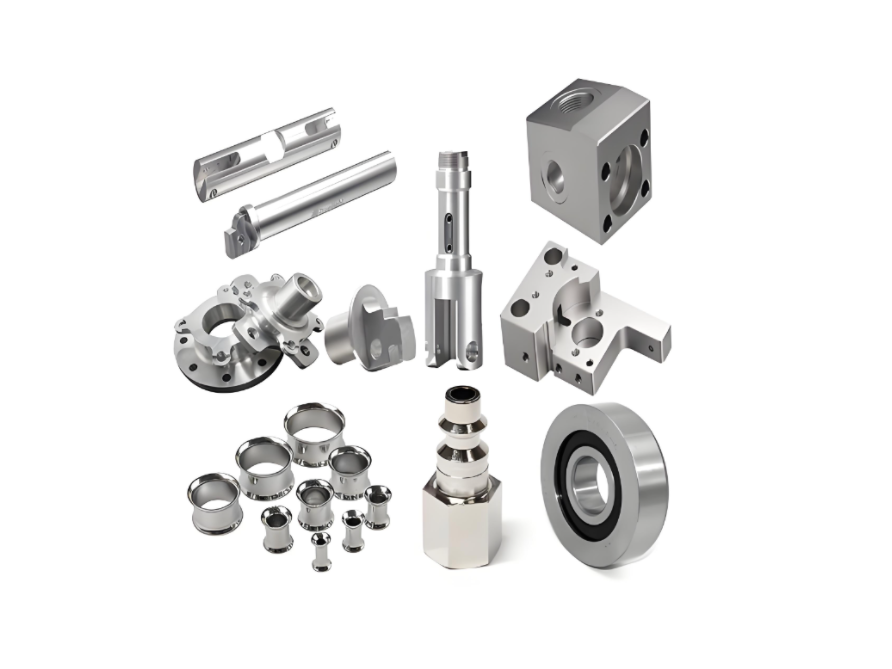
Heat-treated stainless steel is used in demanding industries such as aerospace, medical, and automotive. For example, hardened martensitic stainless steel is ideal for cutting tools and bearings, while annealed austenitic grades are used in food processing equipment. Our 5-axis CNC machining capabilities allow us to handle complex geometries with tight tolerances, even after heat treatment.
Conclusion
Understanding the heat treatment behavior of stainless steel is essential for optimizing CNC machining outcomes. Whether you are working with martensitic stainless steel for high hardness or austenitic stainless steel for corrosion resistance, proper thermal processing ensures superior part performance. For expert guidance and precision machining services, contact Mossuun today to discuss your project requirements.