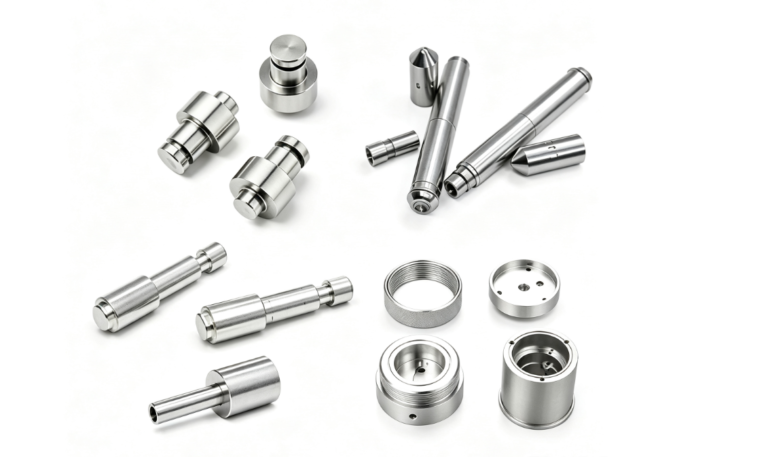
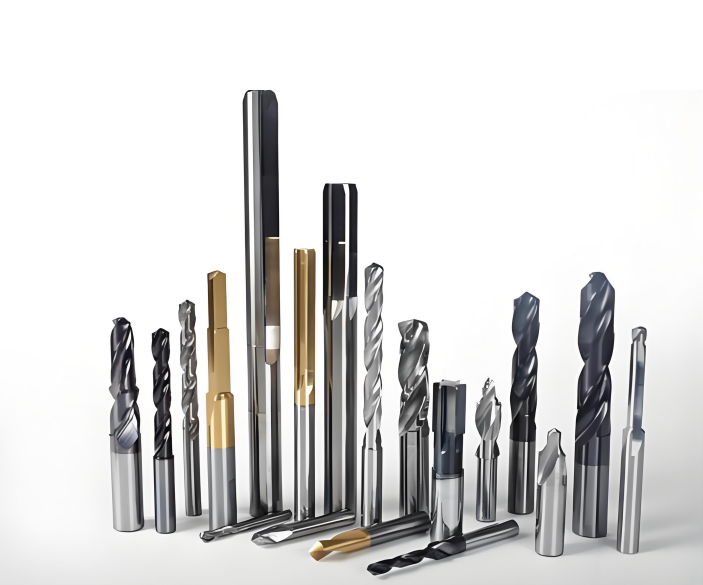
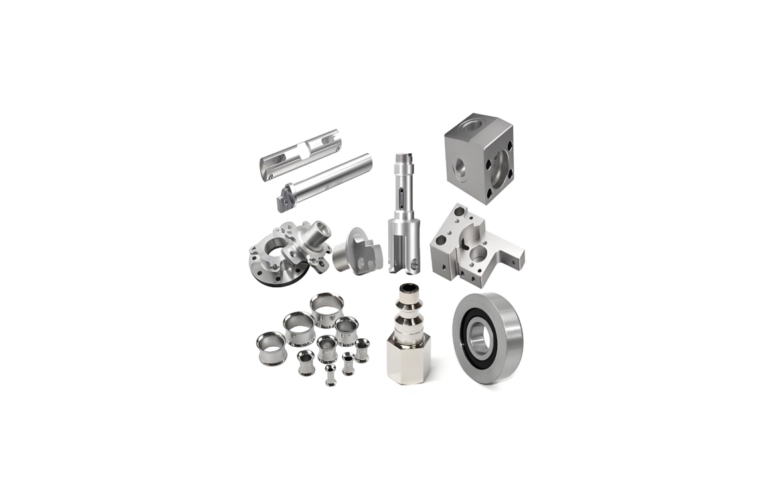
CNC machining materials are usually divided into metal and plastic materials, metal materials are common: AL, Brass, Copper, stainless steel, plastic materials are common: POM, ABS, PEEK, PA (Nylon).
CNC Material List
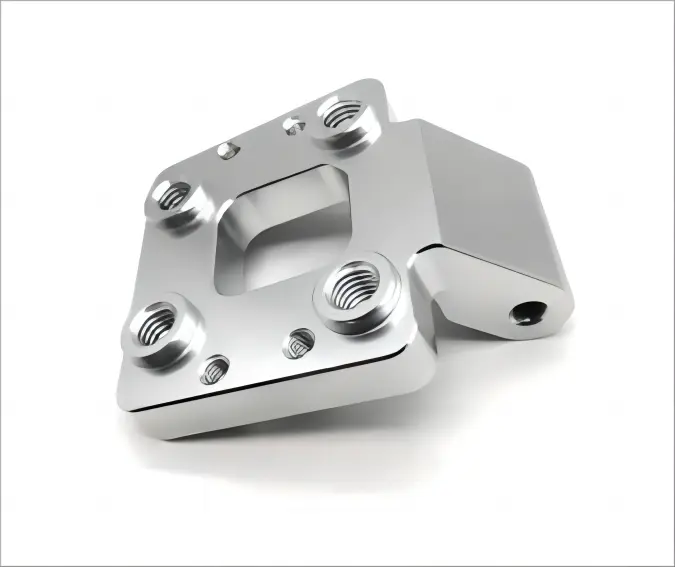
Aluminum CNC Machining
Aluminum is a prevalent machining choice, with frequently utilized grades including 6061, 6063, 6082, and 7075. The benefits of aluminum encompass its ease of machining, favorable electrical and thermal conductivity, elevated strength, and lightweight properties.
View More
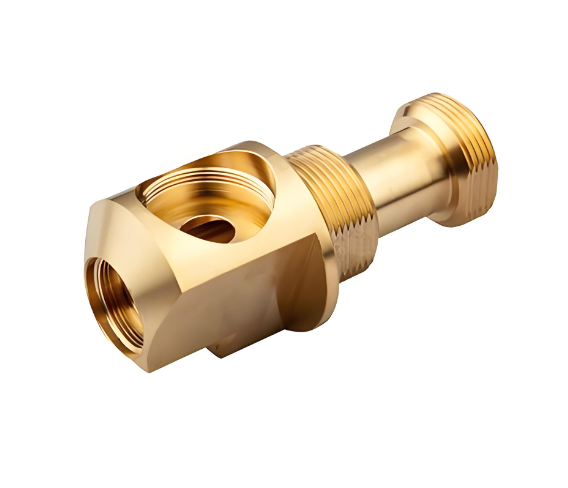
Brass CNC Machining
Brass, common grades are C260 and C360, boasts a dense, pliable nature, minimal friction, and exceptional acoustic characteristics.
View More
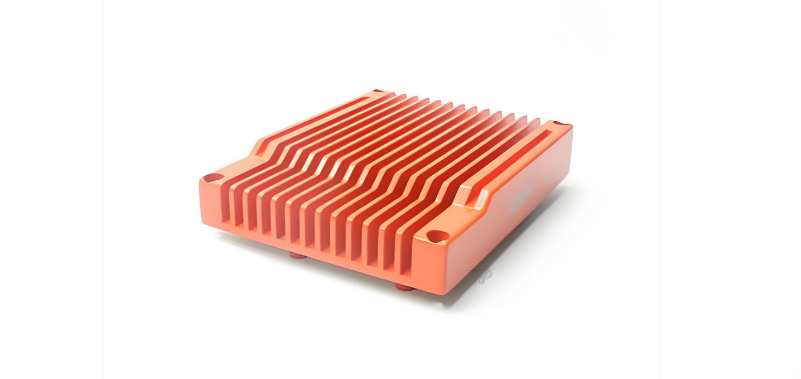
Copper CNC Machining
Copper, with prevalent grades such as C110 and C101, is renowned for its exceptional conductivity, malleability, antimicrobial characteristics, and appealing aesthetic qualities.
View More
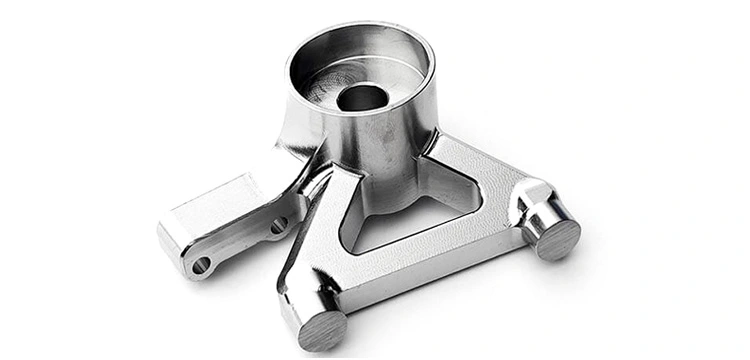
CNC Machining Stainless Steel
Stainless steel, with popular grades including 303, 304, 316, 17-4PH, and 416, is valued for its corrosion resistance, strength, hygiene, and extensive industrial applications.
View More
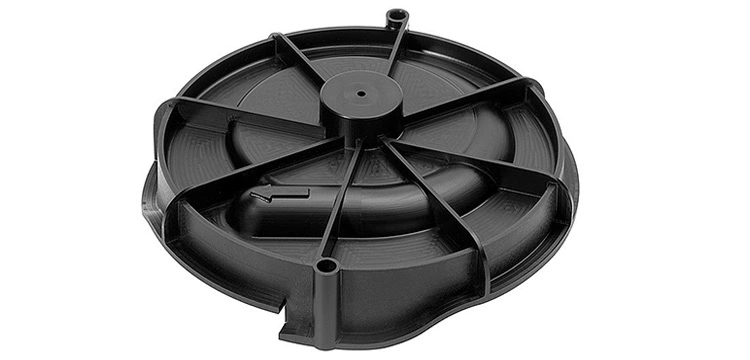
CNC Machining POM
POM, known for its high hardness, wear resistance, excellent chemical resistance, dimensional stability, and ease of processing, lends itself well to various machining techniques such as cutting, drilling, and milling.
View More
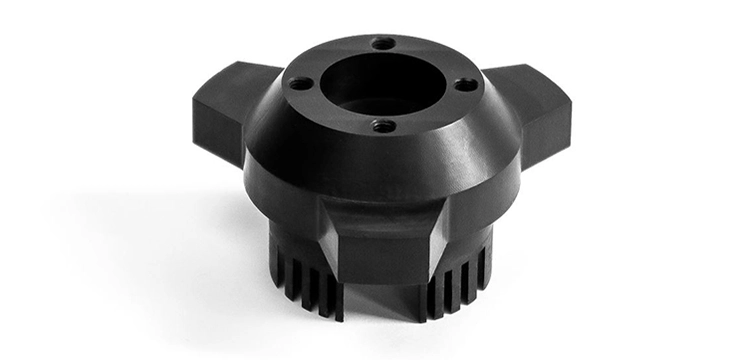
CNC Machining ABS
ABS is an amorphous, opaque resin typically found in the shape of light yellow pellets or beads. This thermoplastic engineering plastic is renowned for its tough, hard, and rigid nature.
View More
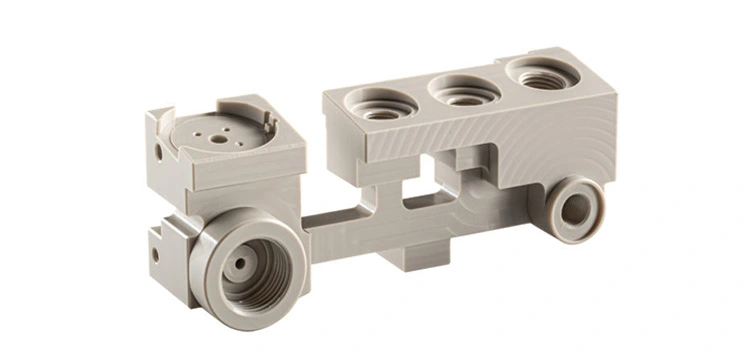
CNC Machining PEEK
PEEK is a special engineering plastic with excellent properties such as high-temperature resistance, self-lubrication, easy processing, and high mechanical strength.
View More
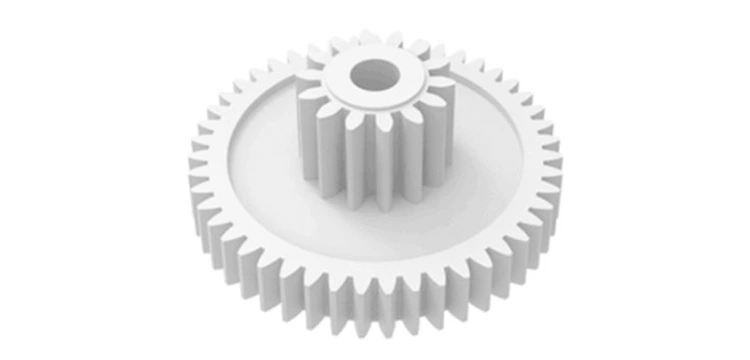
PA (Nylon) CNC Machining
Nylon is highly prized for its strength, stiffness, toughness, and excellent wear resistance. It offers good aging resistance, sliding properties, and dimensional stability.
View More
What Should Be Considered When Selecting A Material For CNC Machining?
- Part application. The general application scenario will determine the physical properties of the part material, such as tensile strength, strength-to-weight ratio, crack resistance, rigidity or flexibility, etc.
- Appearance and the cost of the material. For example, the appearance of consumer products generally require aesthetic and low cost parts.
- Operating environment. Operating conditions include temperature, harsh chemicals, exposure to ultraviolet radiation, constant contact with water, and even exposure to flame.