CNC Machining ABS
ABS is a popular thermoplastic material with high impact resistance and toughness which is used in a wide range of applications.
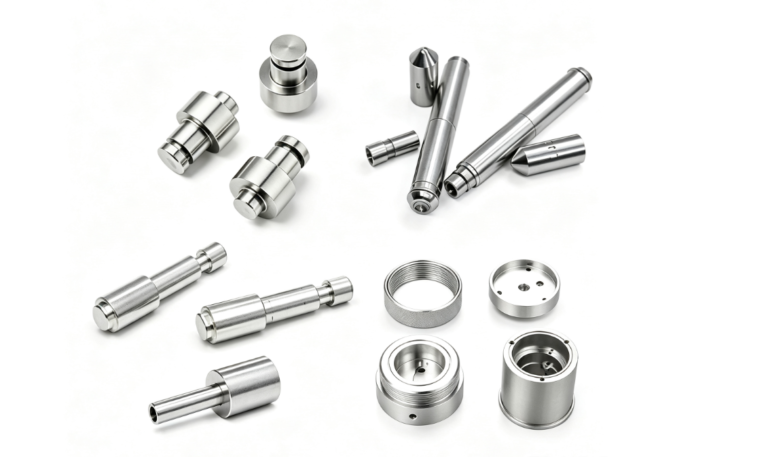
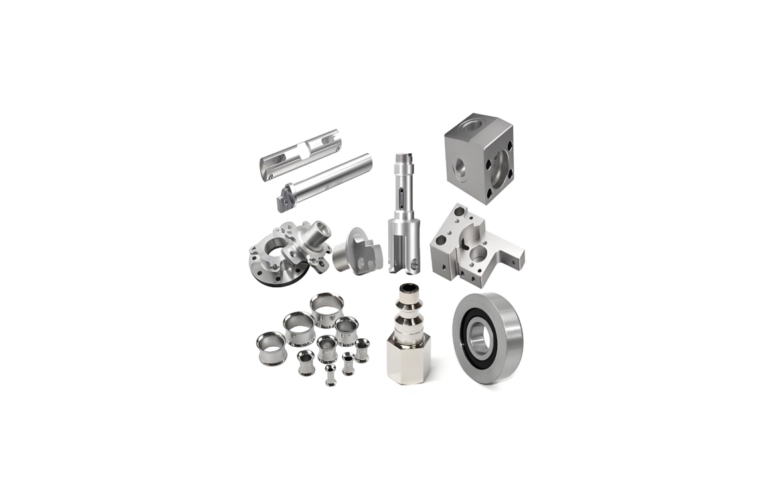
ABS CNC machining is a cost-effective process that allows production of complex geometries and customization of the final product to meet specific requirements. It’s widely used in various industries, including automotive, aerospace, medical device manufacturing, consumer goods, prototyping, and many others.
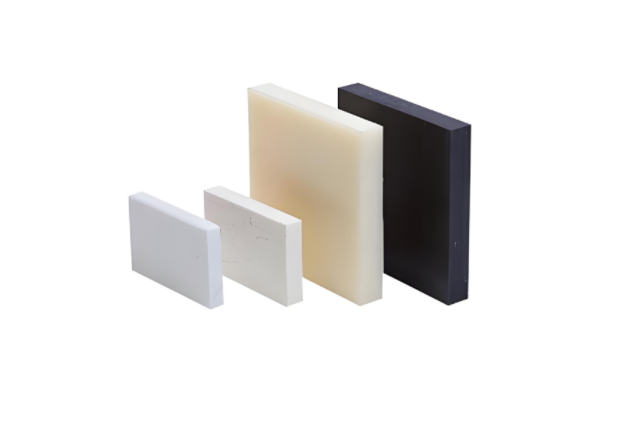
Gallery of CNC Machining ABS
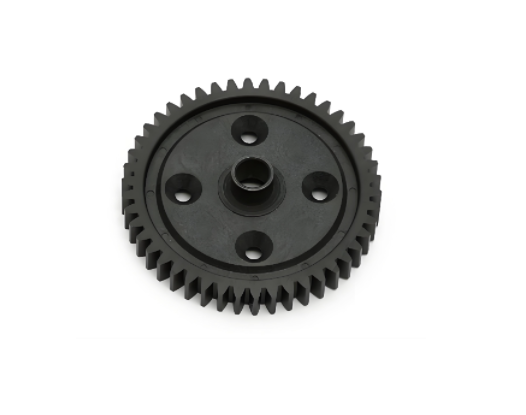
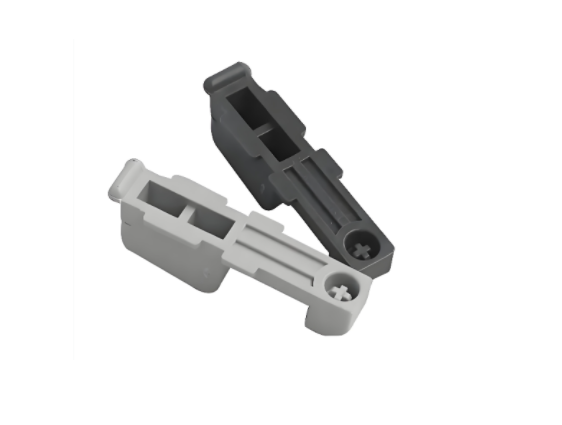
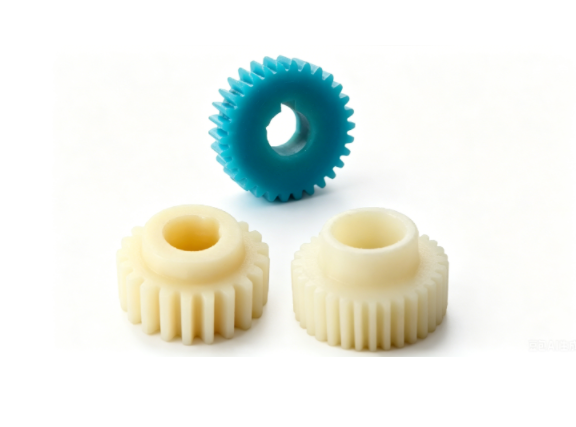
Application Industries of CNC Machining ABS
Here are some of the notable industries that use CNC Machining ABS:
1. Automotive industry: such as dashboards, safety equipment, engine covers, and trim components.
2. Electronics industry: such as casing, front panels, and mounting brackets.
3. Medical industry: ABS’s biocompatibility makes it an ideal material for producing medical devices and surgical instruments.
4. Consumer goods industry: such as toys, furniture, appliance components, and other household goods.
5. Aerospace industry: such as lighting fixtures, interior panels, and mounting brackets for avionics equipment.
Mossuun Precision ABS CNC machining can provide high-quality parts with tight tolerances and dimensional accuracy parts.
Advantages of ABS CNC Machining
- Good machinability
- Excellent strength
- High accuracy and precision
- Temperature and chemical resistance
- Low cost
- Dielectric properties
- Lightweight
These characteristics make CNC machining of ABS plastic an attractive and efficient manufacturing process, Mossuun Precision, an ABS parts manufacturer with over 10 years of experience, can provide you with professional ABS machining services.
What is the difference between ABS and Delrin machining?
Machining ABS (Acrylonitrile Butadiene Styrene) and Delrin (a brand name for Polyoxymethylene, or POM) involves different considerations due to their distinct material properties. Here’s a comparison of the two:
Material Properties
- ABS:
Softness: ABS is relatively softer and more flexible compared to Delrin.
Impact Resistance: It has good impact resistance and is often used for parts that need to withstand mechanical stress.
Thermal Stability: ABS has lower thermal stability and can deform or warp under high temperatures.
- Delrin (POM):
Hardness: Delrin is a harder, more rigid plastic with excellent mechanical strength.
Wear Resistance: It offers superior wear resistance and low friction, making it ideal for precision parts.
Thermal Stability: Delrin has better thermal stability compared to ABS and maintains its shape and strength under higher temperatures.
Machining Considerations
- ABS Machining:
Cutting Tools: ABS is easier on cutting tools due to its softer nature, but it can produce a rougher finish if not machined properly.
Heat Sensitivity: It can deform if too much heat is generated during machining. Using appropriate speeds and feeds helps manage this.
Chip Removal: ABS produces relatively easy-to-manage chips, but they can be prone to clogging in certain setups.
- Delrin Machining:
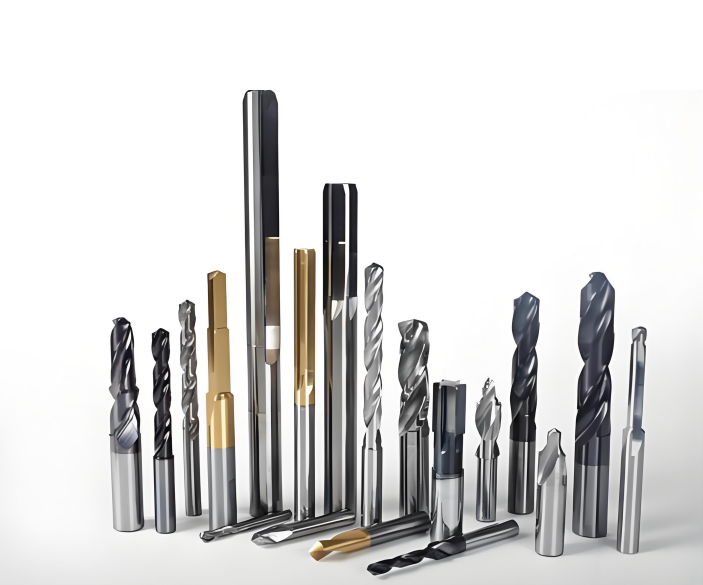
Cutting Tools: Delrin requires sharper tools and often benefits from carbide tooling due to its hardness. The machining process can be more demanding on tools.
Heat Management: Delrin can generate significant heat, but its thermal properties help in maintaining dimensional stability. Cooling and lubrication are essential to prevent overheating.
Chip Removal: Delrin produces chips that are typically more manageable, but care must be taken to clear them effectively to avoid clogging.
Surface Finish and Tolerances
- ABS: The surface finish may not be as smooth as Delrin, and tighter tolerances can be harder to achieve due to its softer nature and potential for warping.
- Delrin: Delrin generally achieves a superior surface finish and can hold tighter tolerances due to its rigidity and stability during machining.
While ABS is easier to machine due to its softness, Delrin offers better performance in terms of strength, wear resistance, and dimensional stability but requires more careful machining practices.
CNC Machining ABS vs. Other Plastics
Choosing the right plastic for CNC machining can be tricky. ABS is a popular option, but how does it stack up against other commonly machined plastics? Let’s break it down by comparing ABS with acrylic, polycarbonate, and nylon.
ABS vs. Acrylic
| Feature | ABS | Acrylic |
| Durability | High impact resistance | More brittle, less impact-resistant |
| Clarity | Opaque, not ideal for clear parts | Excellent optical clarity |
| Ease of Machining | Easy to machine | Brittle, prone to cracking during machining |
| Applications | Prototyping, casings, and automotive parts | Display cases, lenses, signage |
Key Takeaway: If you need strength and durability, ABS is the better choice. However, for transparent components or aesthetic finishes, acrylic wins hands down.
ABS vs. Polycarbonate
| Feature | ABS | Polycarbonate (PC) |
| Impact Resistance | High, but lower than PC | Exceptional impact resistance |
| Temperature Tolerance | Moderate, up to ~100°C | Higher, up to ~150°C |
| Cost | More affordable | More expensive |
| Ease of Machining | Easy | Slightly more difficult due to toughness |
| Applications | Consumer products, automotive | Safety glasses, protective covers |
Key Takeaway: If your project requires extreme impact resistance or high-temperature tolerance, polycarbonate is your best bet. ABS is more budget-friendly and sufficient for less demanding applications.
ABS vs. Nylon
| Feature | ABS | Nylon |
| Flexibility | Rigid | Flexible, suitable for moving parts |
| Moisture Absorption | Low | High, can swell in humid conditions |
| Durability | Good, especially in static parts | Excellent for wear resistance and moving parts |
| Ease of Machining | Easy | Harder, prone to warping during machining |
| Applications | Electronics, casings, and toys | Gears, bearings, and wear-resistant parts |
Key Takeaway: Nylon is the go-to for applications involving movement or wear, while ABS is better for static parts requiring rigidity and stability.