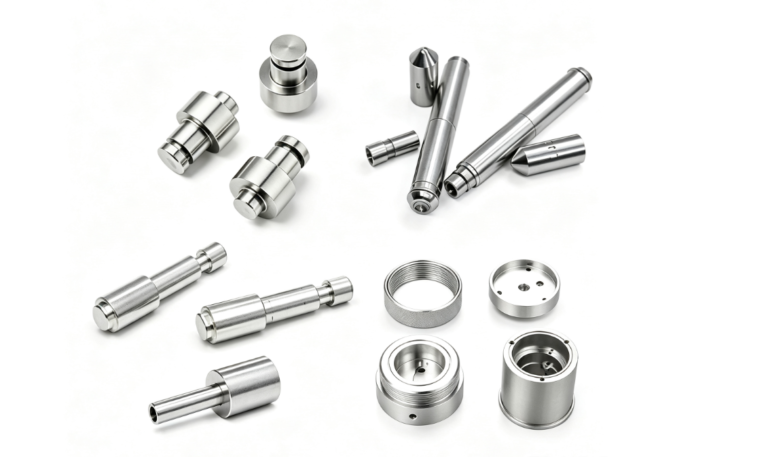
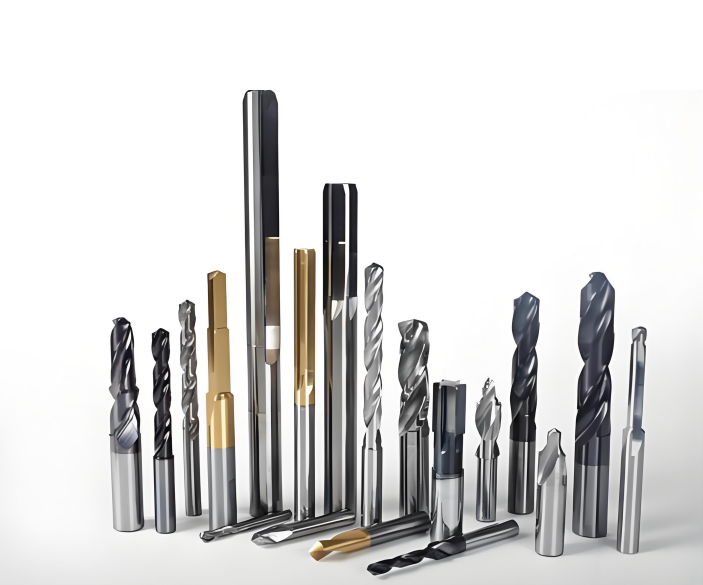
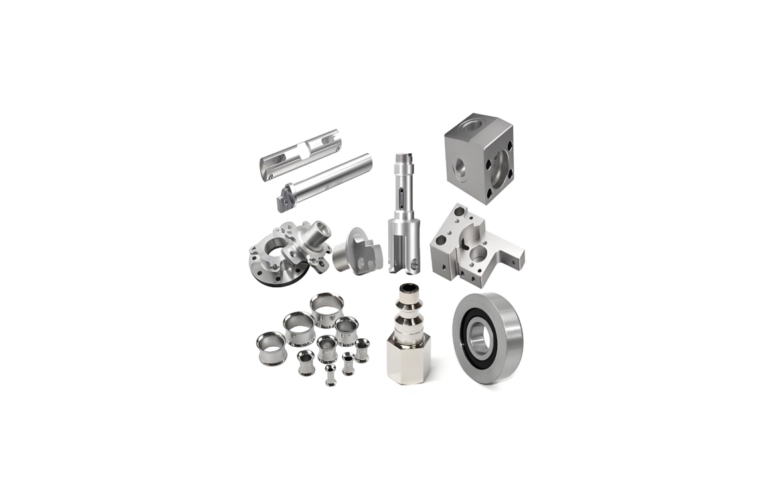
Aluminum CNC Machining Gallery
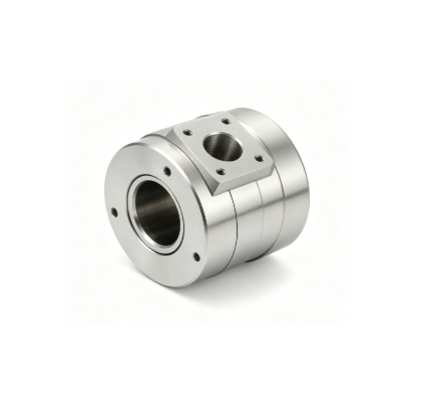
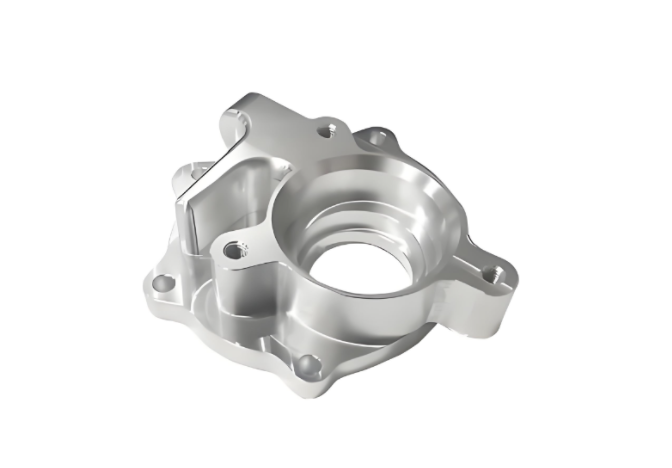
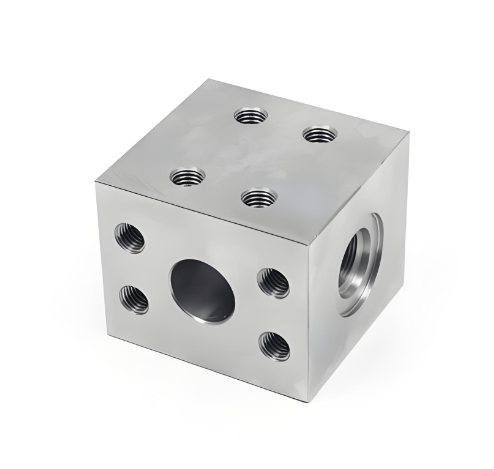
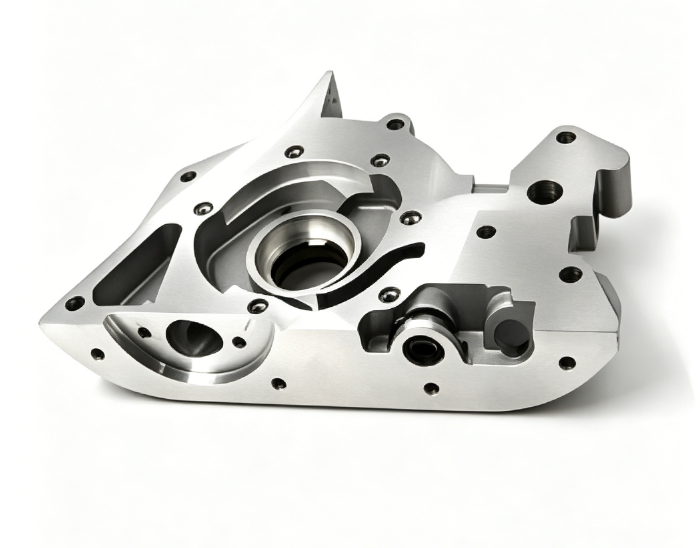
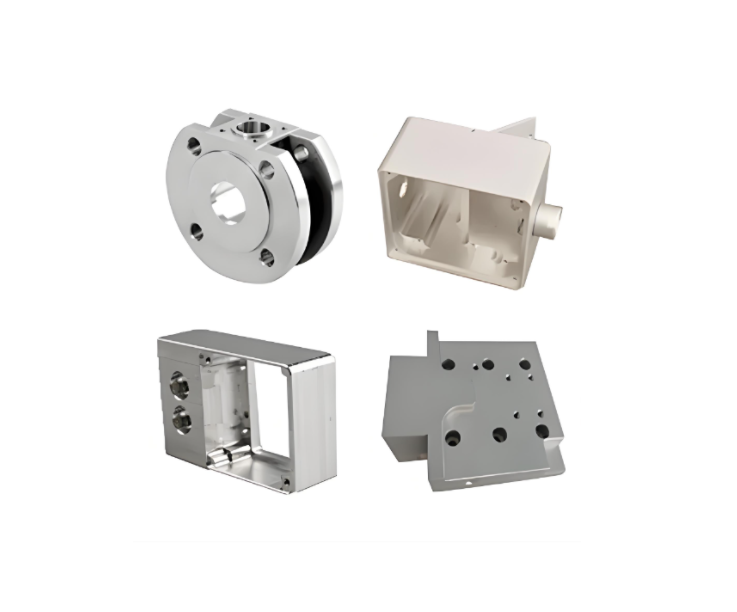
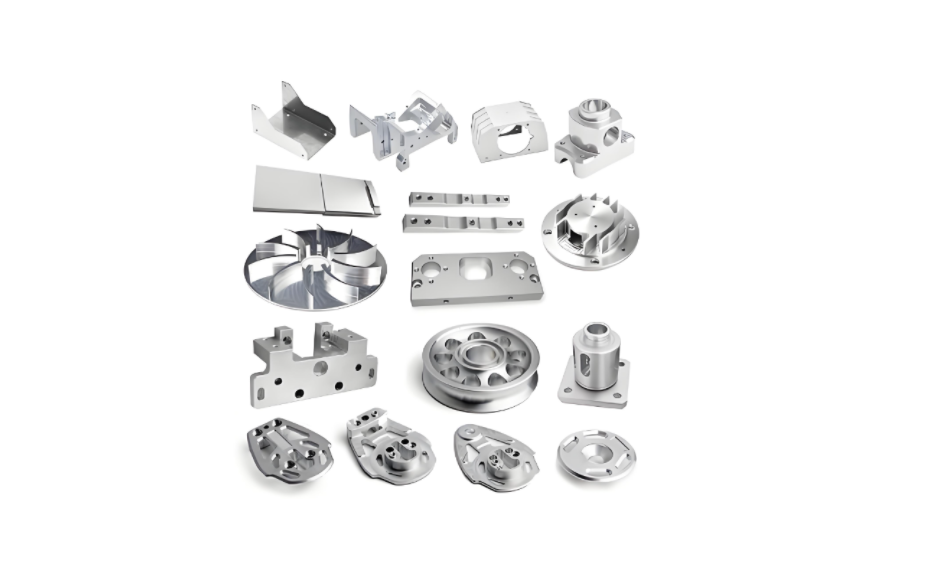
Mossuun Precision Aluminum CNC Machining Service
- Mossuun Precision provides an extensive range of surface finishing options aimed at enhancing the surface characteristics of CNC-Milling parts.
- with over 50 CNC machining equipment,we offer comprehensive machining solutions including 5-axis machining, CNC milling, CNC turning, gear hobbing, and prototyping.
Comparison Of Common Aluminum Alloys
| Physical properties | |||||||
| Aluminum Grade | Density | Corrosion resistance | Melting Point | Magnetism | Coefficient of Thermal Expansion | Thermal Conductivity | Electrical properties |
| 6061-T6 | 2.70 g/cm³ | High | 585°C (1,085°F) | Non-magnetic | Around 23.6 μm/m-K | 167 W/m-K | 43% IACS (International Annealed Copper Standard) |
| 7075-T6 | 2.81 g/cm3 | Moderate | 475°C (887°F) | Non-magnetic | 23.5 x 10⁻⁶ m/m-K | 130 W/m-K | 21% IACS |
| 5083-H111 | 2.68 g/cm³ | High | 570°C | Non-magnetic | 23.8 x 10^-6 m/m-K | 118 – 128 W/(m·K) | 0.058 x10^-6 Ω .m |
| 6082 | 2.7 g/cm3 | Excellent | 555°C (1031°F) | Non-magnetic | 24 x 10-6 K-1 | 180 W/m.K at 20°C | 30% IACS (approximate, in T6 condition) |
| Mechanical properties | |||||||
| Aluminum Grade | Ultimate Tensile Strength (UTS) | Yield Strength (0.2% Offset) | Elongation at break | Modulus of Elasticity (Elastic Modulus) | Fatigue Strength | Brinell Hardness | Vickers hardness |
| 6061-T6 | 310 MPa (45,000 psi) | 275 MPa (40,000 psi) | 12% | 69 GPa | 96.5 MPa (14,000 psi) | 95 HB | 107 HB |
| 7075-T6 | 510–540 MPa (74,000–78,000 psi) | At least 430–480 MPa | 6%-11% | 71.7 GPa | 159 MPa (23 ksi) | 150 HB | 140-150 HV |
| 5083-H111 | 270-350 MPa | 125 MPa | 13% | 68.9 GPa | 150-200 MPa | 60 HB | 74 HV |
| 6082-T6 | 310 MPa (45,000 psi) | 255 MPa | 12-13% | 70 GPa | 90 MPa | 95 HB | 95-105 HV |
Surface Finishes For CNC Aluminum Parts
Mossuun Precision provides an extensive range of surface finishing options aimed at enhancing the surface characteristics of CNC-Milling parts.
As machined
The part exhibits noticeable tool marks and potential sharp edges and burrs, which can be removed upon request.
Sand blasting
Providing machined parts with a smooth and uniform matte surface finish to eliminate some tool marks, depending on the sandblasting particles’ size.
Polishing
Achieving a smooth and glossy surface can be done through manual polishing in various directions or by utilizing a chemical polishing treatment.
Anodizing
It splits into Type II (color or clear) or Type III (hard coat) anodizing processes, unable to conceal tool marks. The colors of colored anodization are based on the Pantone color chart.
Chromate Conversion Coating
It provides corrosion resistance and enhance the adhesion of subsequently applied paints or coatings on metal surfaces, particularly aluminum, and alloys.
Surtec 650
It improves corrosion resistance, enhancing paint adhesion, and providing a base for subsequent organic coatings.
Plating
It includes Nickel Plating, Silver Plating, Gold Plating, Zinc Plating, Chrome Plating, Tin Plating, etc. This can include improving corrosion resistance, adding wear resistance, enhancing conductivity, providing decorative finishes, or facilitating solderability.
Powder Coated
Powder coating is a method of applying a durable and protective finish to metal surfaces. It involves spraying a dry powder onto the surface, which is then cured under heat to form a hard, smooth coating. Powder coating offers excellent resistance to corrosion, chemicals, and abrasion, and it can be applied in a wide range of colors and finishes for both decorative and functional purposes.