Anodizing
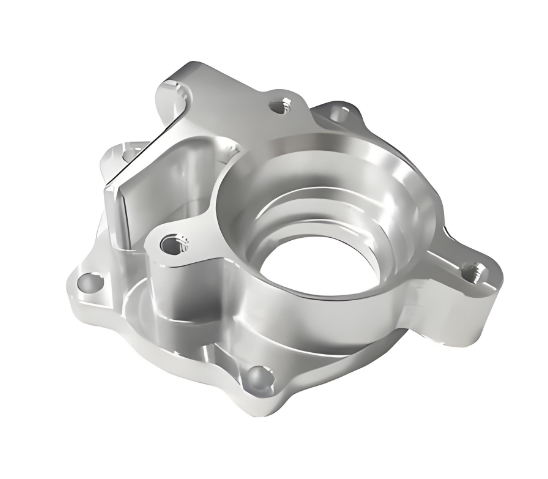
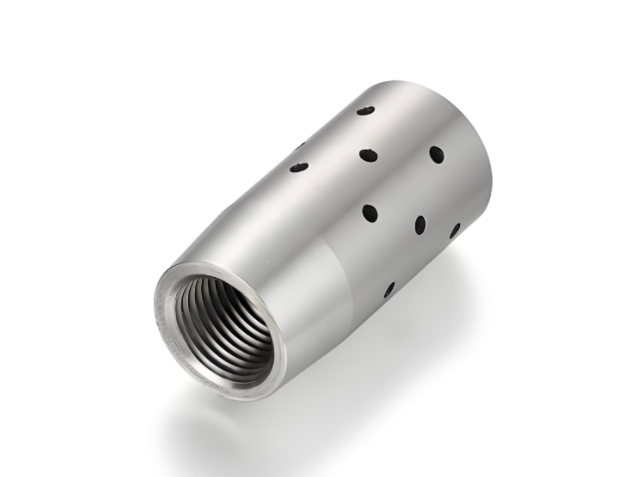
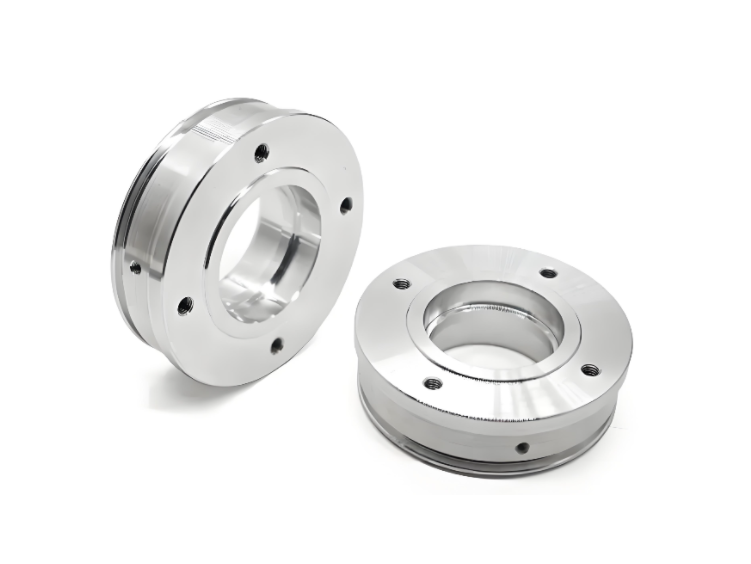
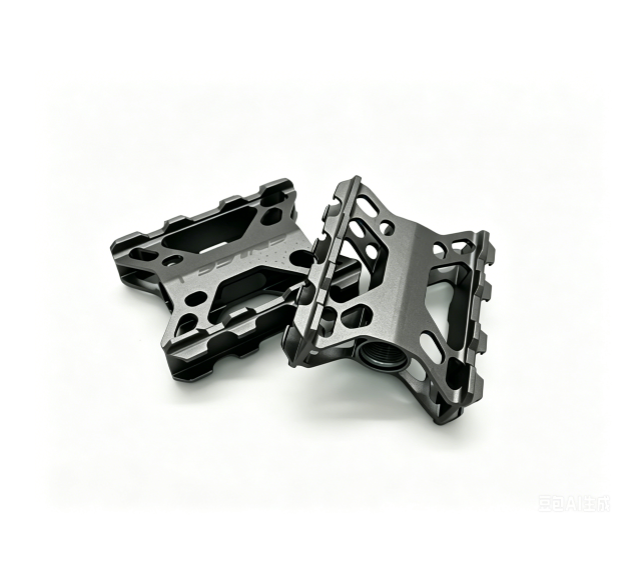
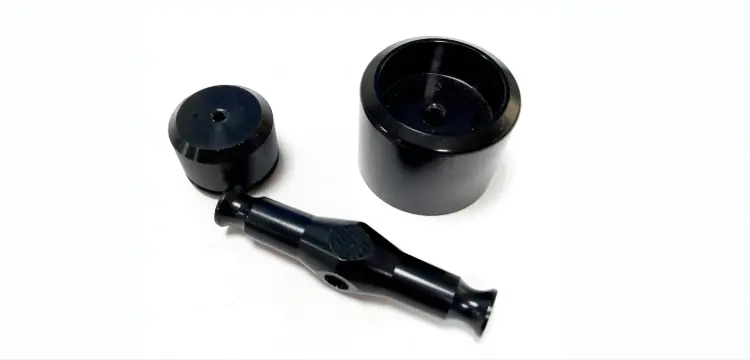
Aluminum anodizing is an electrochemical surface treatment that improves the durability and appearance of aluminum and aluminum alloy parts. The process begins with thorough surface pretreatment. Workpieces undergo degreasing to remove oil and dirt, alkaline etching to strip natural oxide layers, and repeated pure water rinsing to eliminate residual chemicals. After cleaning and drying, parts are placed in an electrolytic bath, most commonly using sulfuric acid solution. The ion-rich electrolyte enables stable electrochemical reactions for oxidation. We offer multiple anodizing color options, including Clear, Black, Red, and Blue Anodizing, supporting customized finishes for different functional and decorative needs.
The anodizing process relies on a stable DC power supply to form a complete electrolytic circuit. The aluminum workpiece serves as the anode connected to the positive pole, while a cathode plate connects to the negative pole. Under continuous current, electrolysis generates active oxygen ions on the aluminum surface. These ions react with aluminum atoms to grow a dense, uniform, and high-hardness artificial aluminum oxide film. Different from the loose natural oxide layer, this engineered porous film features stable chemical properties. It greatly enhances the aluminum’s corrosion resistance, wear resistance, surface hardness and weather resistance, greatly improving the poor durability of bare aluminum surfaces.
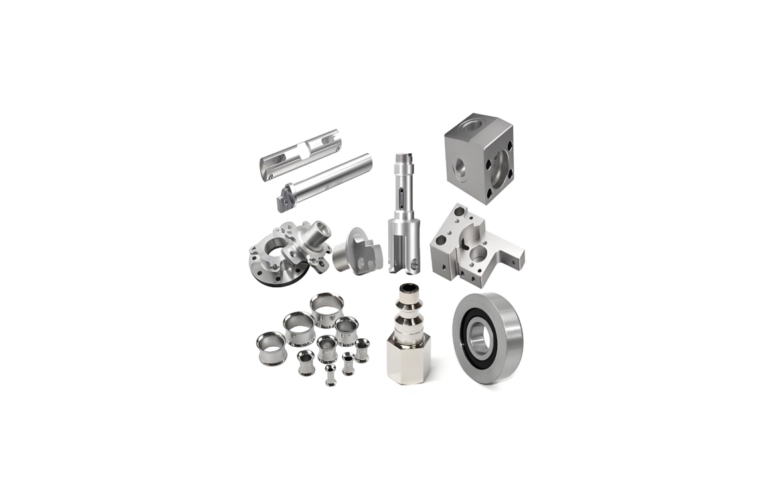
The porous structure of the anodized oxide film enables strong adsorption of organic dyes, allowing diverse color finishes. By controlling dye concentration, time and temperature, uniform and stable colors including transparent, black, red and blue can be achieved. After coloring, sealing treatment is performed to close the microscopic pores on the oxide layer. Common methods include high-temperature hot water sealing and nickel salt sealing. This procedure locks in color pigments permanently, preventing fading and peeling, and further enhances the coating’s compactness and corrosion resistance. Finished anodized aluminum parts deliver smooth surfaces, stable coloring and outstanding durability, widely applicable to electronics, automotive components, architectural hardware and daily industrial products.